
Orune (NU)
Su Tempiesu Sacred Spring
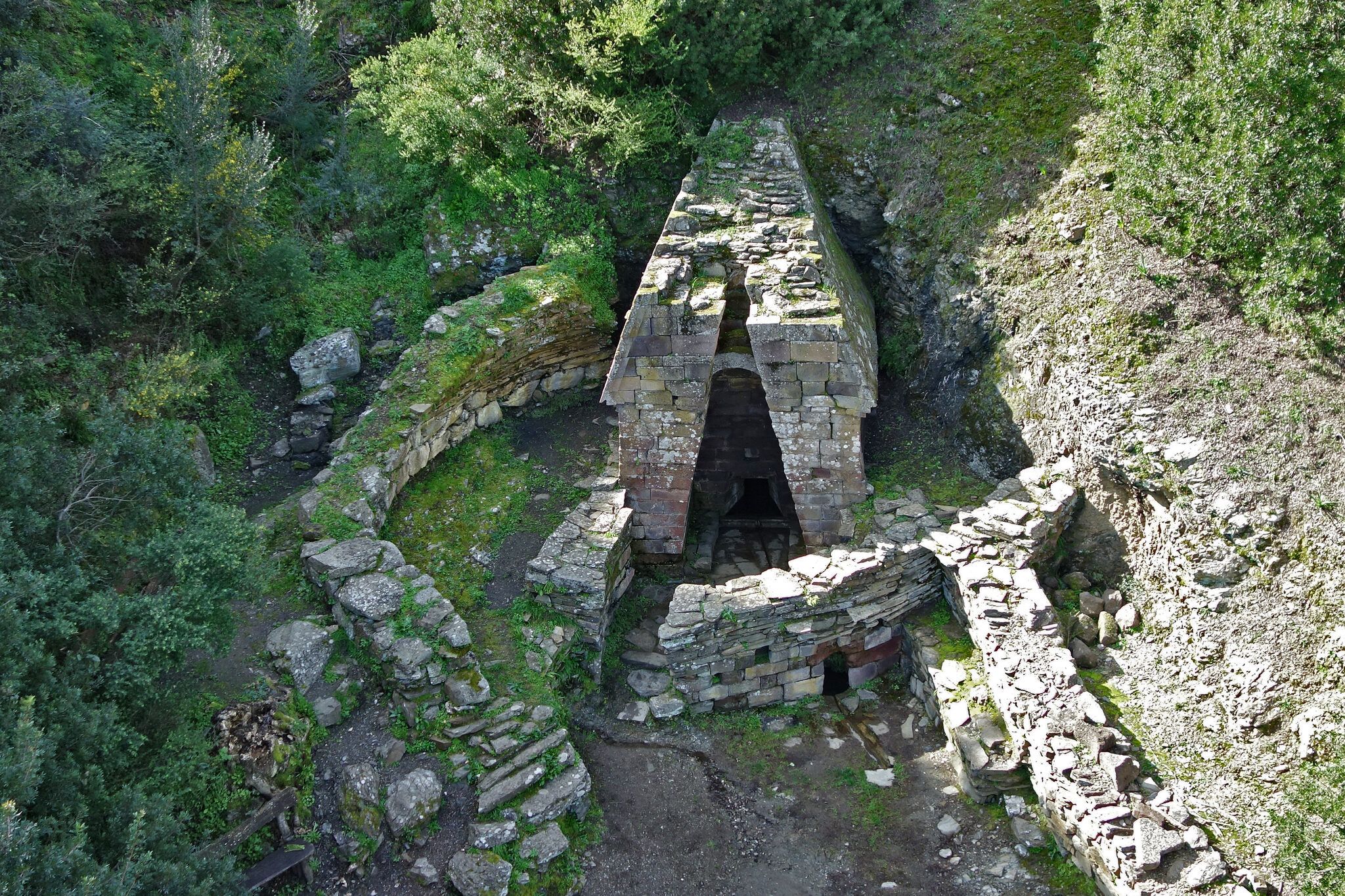
Nuragic sacred spring temple, set against the rocky wall of sa Costa 'e Sa Binza, a short walk from the village of Orune, in the Nuoro area.

A TEMPLE DEDICATED TO WATER
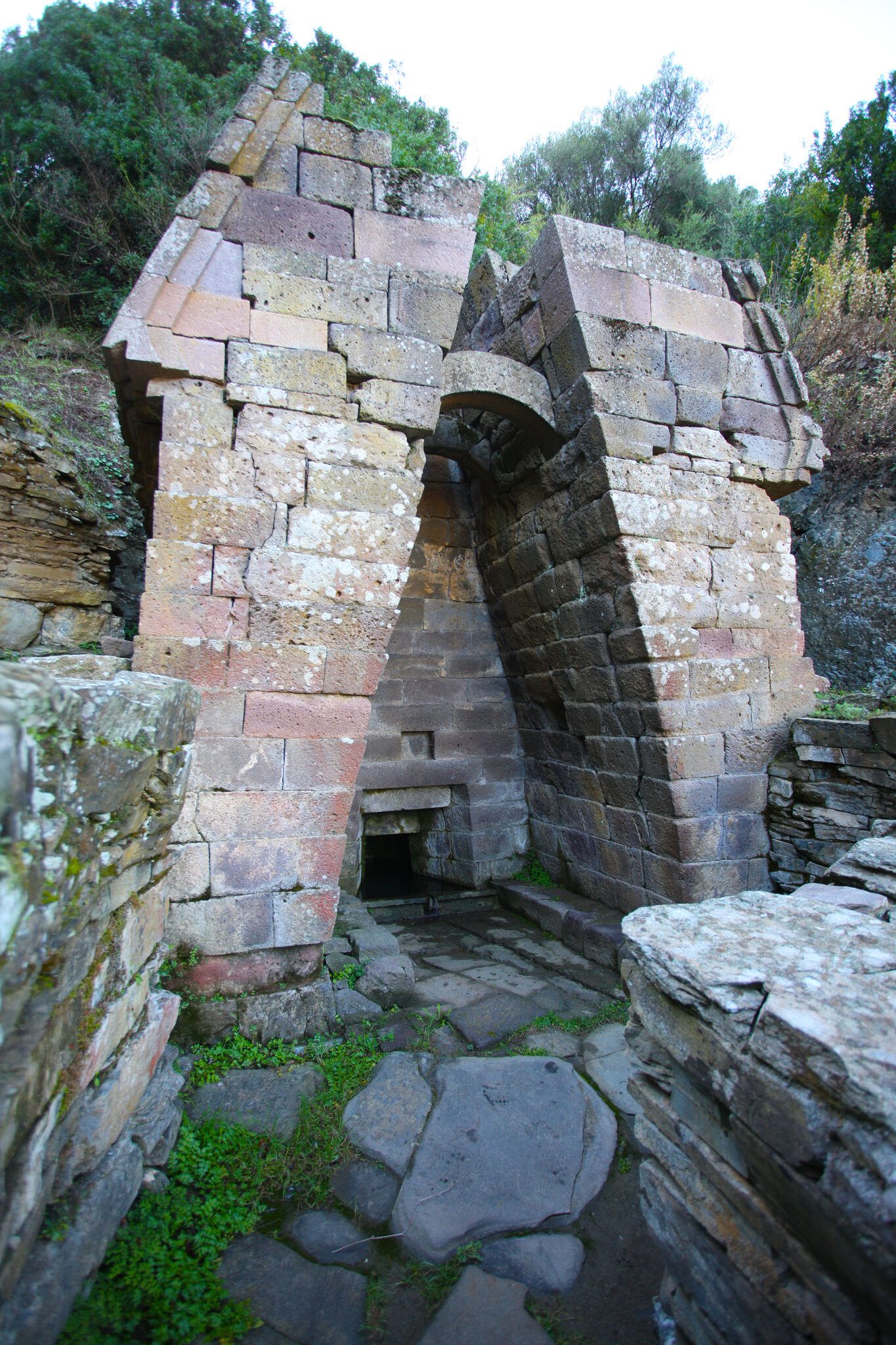
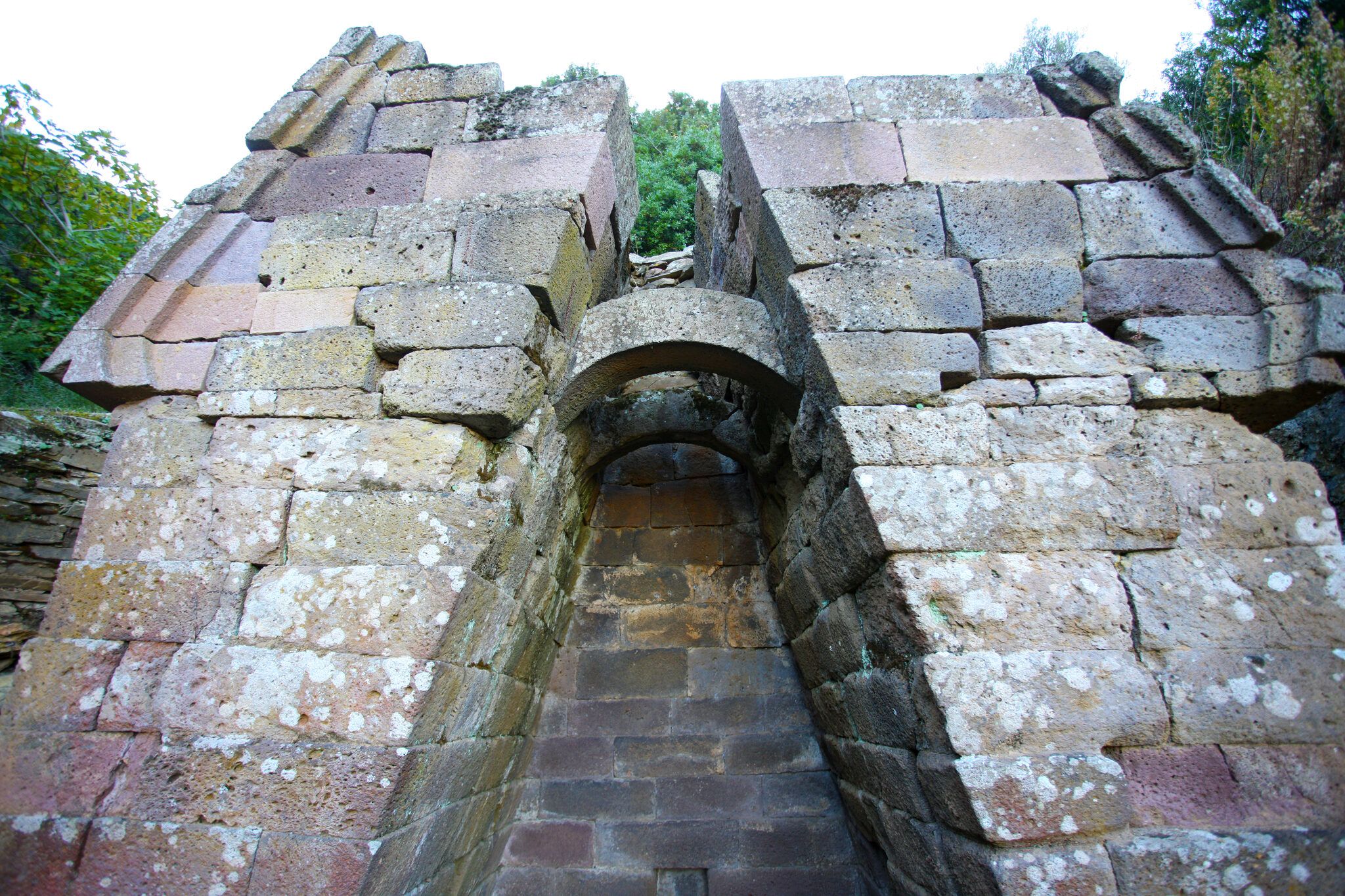
Su Tempiesu was an important Nuragic sacred spring temple dedicated to the cult of water. The constructional precision of its distinctive double-pitched roof, still well preserved, makes it a unique architecture in Sardinia.
The temple stands against the rocky wall of sa Costa 'e Sa Binza, a short walk from the village of Orune, in the Nuoro area.
SU TEMPIESU SACRED SPRING

DATING
Bronze Age, 13th century BC
TYPE
Sacred spring temple

DIMENSIONS
Being defined
STATE OF PRESERVATION
Being defined

OTHER MONUMENTS AT THE SITE
Santa Lulla and Nunnale nuraghi
FINDS
Votive offerings (swords, jewellery, small bronzes)
ENVIRONMENT
Granitic upland (Barbagia)

VISITABLE
Being defined

SERVICES
Being defined
Accessibility
Being defined


IL SITO
Su Tempiesu was an important Nuragic sacred spring temple dedicated to the cult of water. Its double-pitched roof — built with isodomic blocks of uniform height and thickness — is still well preserved and makes it a unique architecture in Sardinia. During the early Iron Age the spring reached its peak, witnessed by numerous votive offerings: swords, jewellery, pins, rings and amber, which also document contacts with the Etruscan world. Towards the end of the Iron Age a landslide buried the temple, sealing its abandonment.
No news available at the moment
IL TERRITORIO
The temple stands against the rocky wall of sa Costa 'e Sa Binza, a short distance from the village of Orune, in the heart of Barbagia. In the surrounding area there are other Nuragic monuments: the complex Santa Lulla nuraghe, which dominates the valley of Marreri and the Rio Isalle, and the Nunnale nuraghe, built on a granitic outcrop. The proximity of these sites suggests an integrated system of cults, activities and control of the territory.